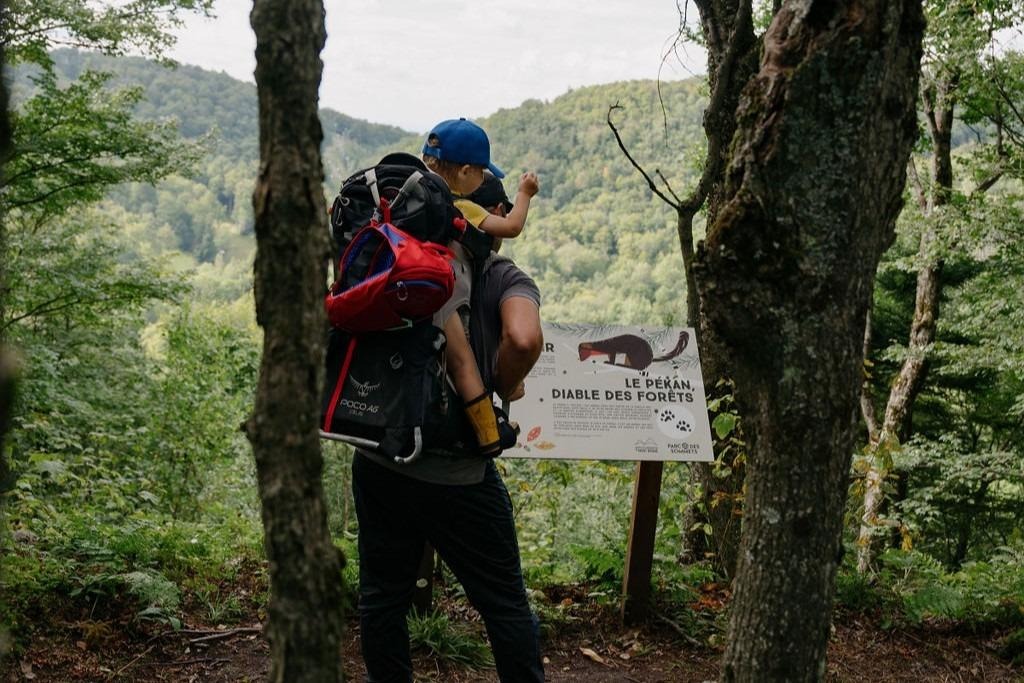
Riding the Wave: Emerging Tourism Trends That Are Redefining Wanderlust in 2024
Riding the Wave: Emerging Tourism Trends That Are Redefining Wanderlust in 2024

Introduction & Background
The global tourism industry stands at a fascinating crossroads in 2024, shaped by rapid technological advancements, evolving consumer preferences, and a growing emphasis on sustainability. After years of disruption caused by the pandemic, travelers are returning to the roads less traveled, yet with a renewed sense of purpose and curiosity. The concept of wanderlust has evolved beyond mere leisure or escape it now reflects deeper desires for authenticity, connection, and personal transformation. As borders reopen and new destinations gain visibility, emerging tourism trends are not just influencing where people go, but how they experience the world. This shift is redefining what it means to be a traveler in the modern era, making 2024 a pivotal year for both industry professionals and adventure seekers alike.
Concept & Overview
Emerging tourism trends in 2024 represent a departure from traditional mass tourism toward more meaningful, immersive, and responsible travel experiences. At its core, this evolution is driven by a collective yearning for deeper engagement with local cultures, environments, and communities. Unlike conventional vacations that prioritize quick sightseeing and superficial interactions, the new wave of tourism emphasizes slow travel, cultural immersion, and eco-conscious choices. Technology plays a dual role as both an enabler and a disruptor, facilitating personalized journeys through artificial intelligence and virtual reality while also raising concerns about over-tourism and digital fatigue. The overarching principle is balance: balancing exploration with preservation, novelty with reflection, and convenience with consciousness. In essence, 2024’s tourism trends reflect a mature traveler who seeks not just to collect destinations, but to collect stories and sustainable impacts.
Key Features & Highlights
- Slow Travel Movement: Travelers are increasingly opting for extended stays in fewer locations, favoring depth of experience over breadth. This approach reduces carbon footprints and fosters deeper connections with local communities.
- Eco-Conscious and Regenerative Tourism: Sustainability is no longer optional but essential. Tourists are seeking destinations and operators committed to carbon neutrality, wildlife conservation, and regenerative practices that give back more than they take.
- Cultural Immersion and Homestays: Homestays, local workshops, and community-based tourism are gaining traction as travelers seek authentic interactions and a chance to learn from indigenous and local hosts.
- Digital Detox and Off-the-Grid Retreats: With growing screen fatigue, wellness tourism is incorporating digital detox programs, silent retreats, and remote eco-lodges that prioritize mental well-being and human connection.
- Tech-Enhanced Personalization: Artificial intelligence and big data are being used to curate hyper-personalized itineraries based on individual interests, past behaviors, and real-time environmental conditions.
- Space Tourism and Next-Gen Adventures: The commercialization of space travel has opened a new frontier for ultra-luxury and experiential tourism, attracting a niche but growing audience of adventurers.
- Wellness-Centric Journeys: Mental health and physical wellness are becoming central to travel plans, with destinations offering meditation retreats, forest bathing, and holistic healing programs.
- Crowdfunded and Community-Led Travel: Platforms are emerging that allow travelers to fund local projects or join initiatives led by local communities, such as reforestation trips or artisan skill-building workshops.
Frequently Asked Questions / Pros & Cons
What is regenerative tourism and how is it different from sustainable tourism?
Regenerative tourism goes beyond minimizing harm it actively restores ecosystems, supports biodiversity, and improves local livelihoods. While sustainable tourism focuses on reducing negative impacts, regenerative tourism aims to leave a destination better than it was found. This could involve reforestation, wildlife habitat restoration, or supporting local economies through fair trade and ethical employment.
Are off-the-grid retreats suitable for families with children?
Off-the-grid retreats vary widely in their offerings. Some are designed specifically for families, with child-friendly wellness programs, nature-based activities, and structured digital detox schedules. Others cater more to adults seeking solitude. It’s important to research and select a retreat that aligns with the family’s needs and comfort levels, as some locations may lack modern amenities.
How can travelers contribute to local economies without causing over-tourism?
Travelers can support local economies by choosing locally owned accommodations, dining at family-run restaurants, purchasing handmade crafts directly from artisans, and using local guides. Avoiding peak seasons and lesser-known destinations during high-demand periods also helps distribute tourism benefits more evenly. Additionally, engaging in community-led tours or volunteering responsibly can create positive economic impacts without overwhelming infrastructure.
What are the potential drawbacks of relying on AI for travel planning?
While AI offers convenience and personalization, over-reliance on algorithms can limit serendipitous discovery and cultural authenticity. AI-driven itineraries may inadvertently funnel travelers toward popular, commercialized experiences and away from hidden gems. There’s also a risk of data privacy concerns, as travel platforms collect and analyze personal behavior. Balancing AI assistance with human intuition and local insights remains key to a fulfilling journey.
Is space tourism accessible to the average traveler?
As of 2024, space tourism remains an exclusive experience reserved for the ultra-wealthy. Tickets to suborbital flights or orbital missions can cost hundreds of thousands to millions of dollars, placing them well beyond the reach of most travelers. However, advancements in technology and increasing competition may eventually drive costs down, making it more accessible in the coming decades.
Practical Guidance & Solutions
To harness the power of 2024’s emerging tourism trends, travelers should begin by reflecting on their personal values and travel goals. Are you seeking adventure, healing, cultural exchange, or environmental contribution? Once your priorities are clear, research destinations and operators that align with those values. Look for certifications like Green Key, EarthCheck, or B Corp when evaluating sustainability claims. Consider traveling during shoulder seasons to avoid overcrowding and support year-round local economies.
For those new to slow travel, start small by planning one extended trip per year instead of multiple short getaways. Use digital tools wisely: leverage AI for initial planning, but leave room for spontaneous exploration and local recommendations. When booking accommodations, prioritize family-owned guesthouses or eco-lodges over international chains. Engage with hosts and communities through structured cultural exchange programs or volunteer initiatives that are transparent about their impact.
For families, involve children in the planning process to build excitement and awareness. Choose destinations with child-friendly wellness activities or nature-based learning programs. Teach kids about responsible tourism practices, such as minimizing plastic use or respecting wildlife, to foster a lifelong commitment to sustainable travel.
Finally, document your journey in a way that honors the experience authenticity over perfection. Share your stories thoughtfully, avoiding performative or exploitative representations of local cultures. By approaching travel with intention, curiosity, and respect, you become part of a global movement that values people, places, and the planet equally.
Conclusion
As we navigate the currents of 2024, the act of travel is being reimagined not as a luxury, but as a powerful act of connection and responsibility. The emerging tourism trends shaping this year invite us to slow down, look closer, and give back more than we take. Whether it’s through sleeping in a yurt on the Mongolian steppe, meditating in a Costa Rican cloud forest, or simply sharing a meal with a local family in a remote village, these experiences are rewriting the narrative of wanderlust. They remind us that the world is not just a collection of postcard-perfect sights, but a living tapestry of stories, struggles, and triumphs. In embracing these trends, we do more than visit places we travel with purpose, leaving behind footprints that are as light on the earth as they are heavy with meaning. The wave is rising, and it’s time to ride it thoughtfully.