The Global Passport for Your Documents: Understanding Apostille Certification
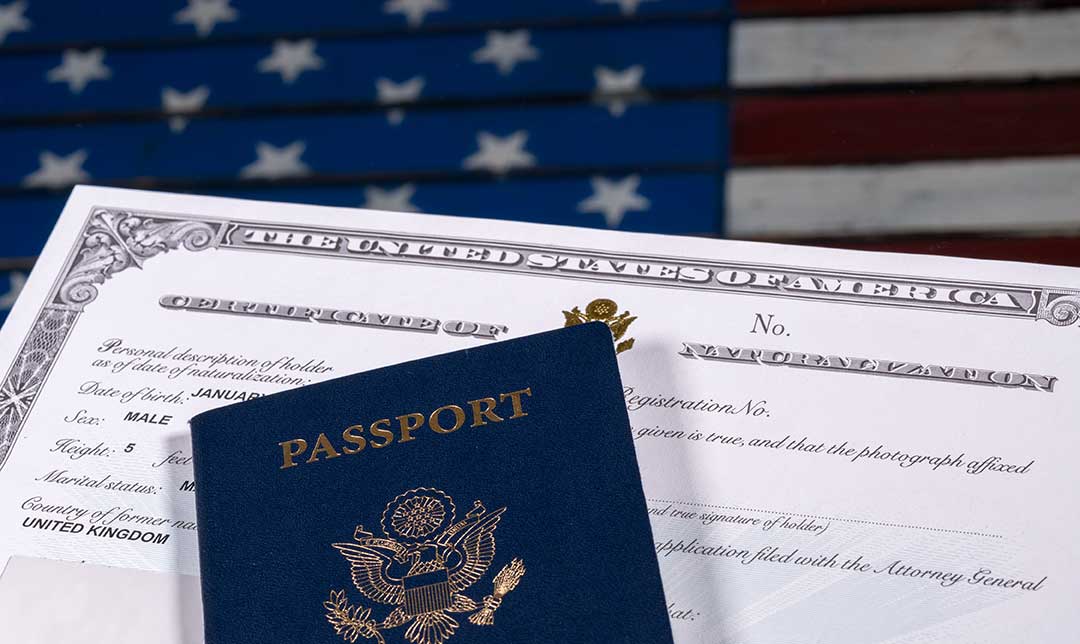
In an increasingly interconnected world, where people move across borders for work, education, or personal reasons, the need for international document recognition has become a common challenge. You might find yourself in a situation where a foreign government, university, or company requests that a document issued in your home country be “apostilled.” This seemingly complex process is, in fact, a crucial step in a global system designed to simplify the validation of official documents. An nj apostille is a certification issued by a specified authority that confirms the genuineness of a signature, seal or stamp on a public document, and it is legally acknowledged in a foreign nation which is a member of The Hague Apostille Convention. Understanding which documents most commonly require this certification is the first step in preparing for any international endeavor.
The Hague Apostille Convention was established in 1961 to abolish the requirement of consular legalization for foreign public documents. Prior to this, a document would often need to be authenticated by a series of government offices in the issuing country and then legalized by the embassy or consulate of the destination country. This was a laborious, time consuming and costly job. The apostille streamlined this by creating a single, internationally recognized certificate. When a document is apostilled, it is considered legally valid in all other member countries of the convention, eliminating the need for further authentication. The process is a testament to international cooperation, providing a global passport for your most important papers.
1. Birth Certificates
A birth certificate is often the first and most fundamental document to require an apostille. Whether you are moving abroad to study, work, or live, foreign governments frequently need proof of your identity and nationality. An apostilled birth certificate is essential for visa applications, obtaining citizenship in a new country, or for any legal process that requires you to prove your place of birth and parentage. It is a cornerstone document that establishes your legal identity and is a common requirement for anyone planning a long-term stay in a foreign country.
2. Marriage Certificates
For couples moving abroad, an apostilled marriage certificate is crucial for a wide range of administrative and legal purposes. It is often required to prove your marital status for visa applications, to add a spouse to an employment contract or a health insurance plan, or to transfer a title or property in both of your names. In some cases, it may also be necessary to prove your legal union in a foreign court or to establish family rights. The apostille ensures that your marriage is legally recognized and respected in your new country of residence.
3. Academic Degrees and Diplomas
For students seeking to pursue higher education abroad or professionals applying for a job in a foreign country, an apostilled diploma or academic transcript is almost always a requirement. Foreign universities and employers need to verify that your academic credentials are legitimate and were issued by a recognized institution. The apostille confirms the authenticity of the signature and seal of the registrar or other authorized official on the document, providing a level of trust that is essential for international academic and professional mobility.
4. Criminal Record Checks
A clean criminal record is a prerequisite for many international opportunities, from employment and residency visas to adoption and volunteering. A criminal record check, often issued by a national police force or a government agency, must be apostilled to be considered valid in a foreign country. This ensures that the document is authentic and that the information it contains can be trusted by the receiving government or organization. It is an essential measure in establishing your good character in an overseas legal procedure.
5. Powers of Attorney
When you need to grant someone the legal authority to act on your behalf in a foreign country—for example, to manage property, handle financial transactions, or represent you in a legal matter—a Power of Attorney document is required. To be legally effective in a member country of The Hague Convention, this document must be apostilled. The apostille verifies the authenticity of the notary public’s signature and seal, ensuring that the legal power you are granting is recognized and enforceable across borders.
Conclusion: A Seamless Global Journey
The need for an apostille may seem like a bureaucratic hurdle, but it is, in fact, a testament to a global system designed to facilitate international movement and transactions. By understanding which documents are most likely to require this certification, you can prepare in advance and ensure that your journey, whether for work, study, or life, is as seamless as possible. The apostille is a small but powerful certificate that provides a world of legal recognition, ensuring that your most important papers are valid and respected no matter where your path takes you.